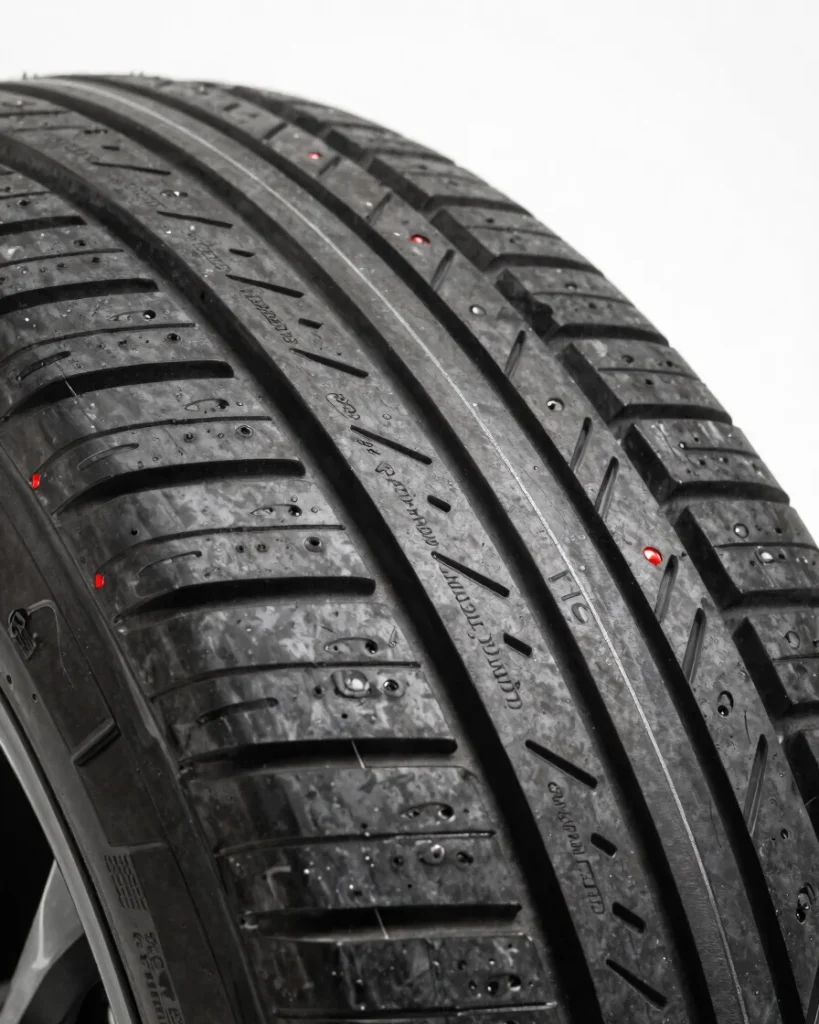
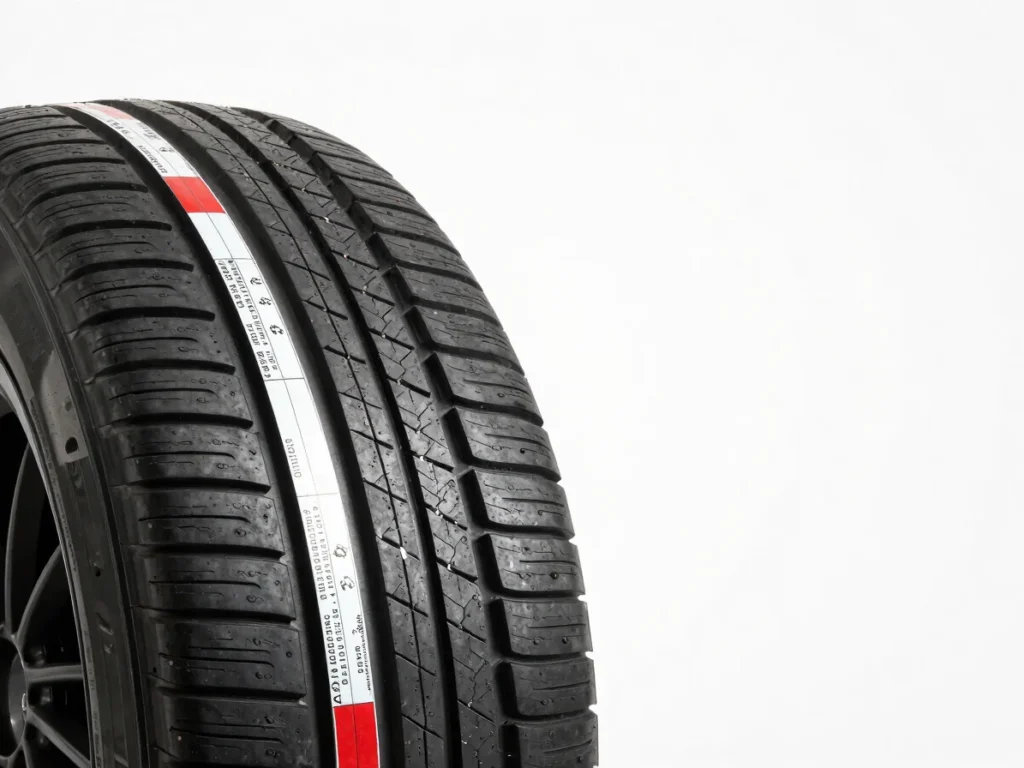
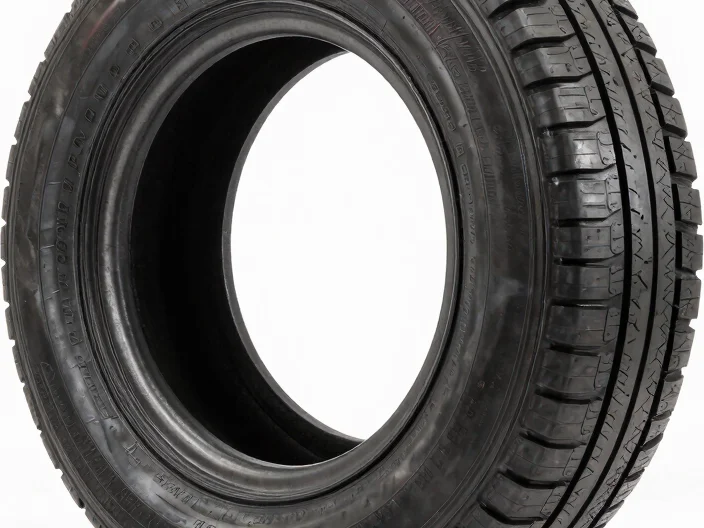
Load index shows the maximum weight each tyre can carry. Speed rating shows the maximum sustained speed it is rated for. Both protect handling and safety, so never choose a lower value than the original specification.
Manufacturing code
Reading the date code
The DOT code ends with four digits showing the week and year of manufacture. Check it when buying, since a tyre's age affects its condition even when the tread looks new.
Vehicle compatibility
Verify before you swap sizes
Start with the factory-fitted size in your vehicle handbook or on the door-pillar placard. Those figures set the baseline for clearance, speedometer accuracy, and traction control calibration.
Alternative sizes are only suitable when they keep overall diameter and load capacity close to the original. Check fender and suspension clearance before ordering.
Staggered setups use different widths front and rear and must match the vehicle's specification exactly. Rim width determines which tyre widths fit safely, so confirm both before purchase.
Where reliable fitment data is available, use vehicle-based search in the shop. When in doubt, ask our team before you buy.